Recover your password.
A password will be e-mailed to you.

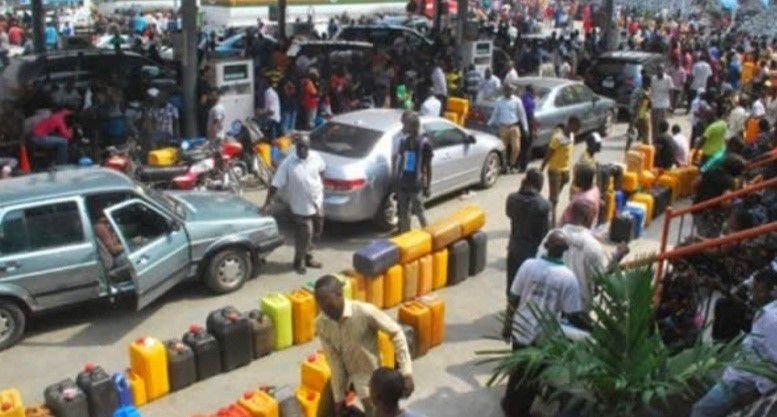
Nigeria could soon face a shocking surge in fuel prices, with petrol projected to hit as high as ₦2,000 per litre if urgent action isn’t taken.
The Trade Union Congress of Nigeria (TUC) has sounded the alarm, warning that rising global crude oil prices and the continued fall of the naira are pushing the country toward a major fuel crisis.
Speaking on Thursday, April 9, TUC President Festus Osifo urged the Federal Government to act fast by redirecting a large portion of excess oil revenue to stabilise fuel prices. According to him, at least 60% of revenue earned above the 2026 budget crude benchmark should be used to subsidise crude oil supplied to the Dangote Refinery and other modular refineries.
Osifo explained that this move could significantly reduce the cost of petrol, diesel, and aviation fuel within just one to two weeks.
He warned that Nigerians are already feeling the heat, as fuel prices inch closer to ₦2,000 per litre in some areas. The ripple effect, he said, is widespread—transport fares are rising, manufacturing costs are increasing, and everyday goods are becoming more expensive.
“If nothing is done,” he cautioned, “inflation, which seems to be slowing down, could spike again.”
Breaking down the numbers, Osifo noted that the 2026 budget benchmark for crude oil is set at $64.85 per barrel. However, with global prices hovering around $100—largely due to tensions in the Middle East and disruptions around the Strait of Hormuz—Nigeria is currently earning an estimated $35 extra per barrel.

He proposed that about $20 from this excess should be channelled into subsidising crude oil at the production level rather than subsidising finished fuel. According to him, this approach would eliminate the corruption and inefficiencies that plagued previous subsidy systems.
“When you subsidise crude directly, it’s harder to manipulate. The impact will be immediate—fuel prices will drop within weeks,” Osifo assured.
The TUC insists that without swift intervention, Nigerians should brace for even tougher economic conditions in the coming months.

